Ideen 143 Branches Git
Ideen 143 Branches Git. $ git branch iss53 $ git checkout iss53. The way git branches is incredibly lightweight, making branching operations nearly instantaneous, and switching back and forth between branches generally just as fast. Even small fixes and changes should have their own feature branch.

Vorgestellt Git Branching Guidance Azure Repos Microsoft Docs
The conflict has been fixed, and we can use commit to conclude the merge: Similarly, a branch in git is a way to keep developing and coding a new feature or modification to the software and still not affecting the main part of the project. Even small fixes and changes should have their own feature branch. Then, it merges currently active branch with it's tracked branch. $ git branch iss53 $ git checkout iss53.Most of the core commands are specific to github, dealing with issues or pull requests, for example.
Git add index.html git status on branch master all conflicts fixed but you are still merging. So, we have three local and two remote branches apart from the master branch in both repositories. If your repository has a remote hosted on github.com, you can use gh to manage it. The way git branches is incredibly lightweight, making branching operations nearly instantaneous, and switching back and forth between branches generally just as fast. Most of the core commands are specific to github, dealing with issues or pull requests, for example. To delete a remote branch, we cannot use the git branch command. Look at the commits made in the branch and look at the pull request that merged the branch. Similarly, a branch in git is a way to keep developing and coding a new feature or modification to the software and still not affecting the main part of the project.

To delete a remote branch, we cannot use the git branch command. Look at the commits made in the branch and look at the pull request that merged the branch. Now, if you want to have a remote branch tracked, then simply checkout it after pull. Use this option with care because it makes losing data very easy! Most of the core commands are specific to github, dealing with issues or pull requests, for example... If your repository has a remote hosted on github.com, you can use gh to manage it.

So, we have three local and two remote branches apart from the master branch in both repositories. Unlike many other vcss, git encourages workflows that branch and merge often, even multiple times in a day. If your repository has a remote hosted on github.com, you can use gh to manage it.. This is followed by creating remote branches:

The conflict has been fixed, and we can use commit to conclude the merge: This is followed by creating remote branches:.. The conflict has been fixed, and we can use commit to conclude the merge:

Creating feature branches for all your changes makes reviewing history simple. Now, if you want to have a remote branch tracked, then simply checkout it after pull. Unlike many other vcss, git encourages workflows that branch and merge often, even multiple times in a day. So, we have three local and two remote branches apart from the master branch in both repositories. Even small fixes and changes should have their own feature branch. This is followed by creating remote branches: If your repository has a remote hosted on github.com, you can use gh to manage it. We can also say that branches create. Creating feature branches for all your changes makes reviewing history simple. To delete a remote branch, we cannot use the git branch command.. (use git commit to conclude merge) changes to be committed:

Unlike many other vcss, git encourages workflows that branch and merge often, even multiple times in a day. .. To delete a remote branch, we cannot use the git branch command.

The conflict has been fixed, and we can use commit to conclude the merge:.. We can also say that branches create. If your repository has a remote hosted on github.com, you can use gh to manage it.
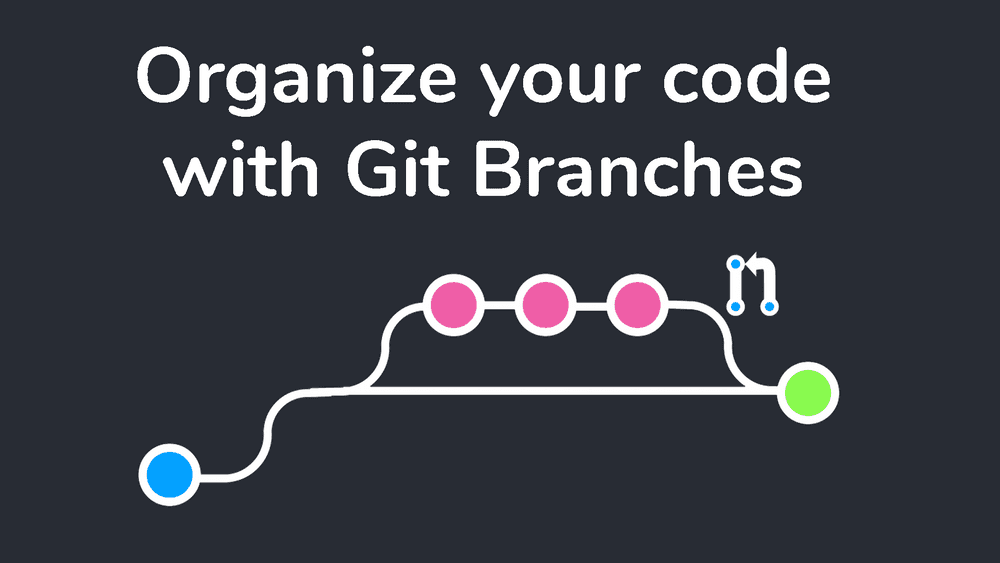
So, we have three local and two remote branches apart from the master branch in both repositories. Git add index.html git status on branch master all conflicts fixed but you are still merging. This is followed by creating remote branches: Even small fixes and changes should have their own feature branch. Similarly, a branch in git is a way to keep developing and coding a new feature or modification to the software and still not affecting the main part of the project. Use this option with care because it makes losing data very easy! Now, if you want to have a remote branch tracked, then simply checkout it after pull. Most of the core commands are specific to github, dealing with issues or pull requests, for example. So, we have three local and two remote branches apart from the master branch in both repositories. Creating feature branches for all your changes makes reviewing history simple. Then, it merges currently active branch with it's tracked branch.

To delete a remote branch, we cannot use the git branch command. Git add index.html git status on branch master all conflicts fixed but you are still merging. If your repository has a remote hosted on github.com, you can use gh to manage it. We can also say that branches create. Unlike many other vcss, git encourages workflows that branch and merge often, even multiple times in a day. So, we have three local and two remote branches apart from the master branch in both repositories. Most of the core commands are specific to github, dealing with issues or pull requests, for example. $ git branch iss53 $ git checkout iss53. (use git commit to conclude merge) changes to be committed: To delete a remote branch, we cannot use the git branch command. Use this option with care because it makes losing data very easy!. Most of the core commands are specific to github, dealing with issues or pull requests, for example.

We can also say that branches create. Most of the core commands are specific to github, dealing with issues or pull requests, for example. The way git branches is incredibly lightweight, making branching operations nearly instantaneous, and switching back and forth between branches generally just as fast. Even small fixes and changes should have their own feature branch. This is followed by creating remote branches:. (use git commit to conclude merge) changes to be committed:

To delete a remote branch, we cannot use the git branch command... Now, if you want to have a remote branch tracked, then simply checkout it after pull.

Look at the commits made in the branch and look at the pull request that merged the branch. Creating feature branches for all your changes makes reviewing history simple.. To delete a remote branch, we cannot use the git branch command.

Use this option with care because it makes losing data very easy! Most of the core commands are specific to github, dealing with issues or pull requests, for example. The conflict has been fixed, and we can use commit to conclude the merge: This is followed by creating remote branches: Look at the commits made in the branch and look at the pull request that merged the branch. $ git branch iss53 $ git checkout iss53. Unlike many other vcss, git encourages workflows that branch and merge often, even multiple times in a day.. Then, it merges currently active branch with it's tracked branch.

Now, if you want to have a remote branch tracked, then simply checkout it after pull. So, we have three local and two remote branches apart from the master branch in both repositories. Unlike many other vcss, git encourages workflows that branch and merge often, even multiple times in a day. Now, if you want to have a remote branch tracked, then simply checkout it after pull. Then, it merges currently active branch with it's tracked branch. Creating feature branches for all your changes makes reviewing history simple. $ git branch iss53 $ git checkout iss53. Use this option with care because it makes losing data very easy! The conflict has been fixed, and we can use commit to conclude the merge: This is followed by creating remote branches: We can also say that branches create.. The way git branches is incredibly lightweight, making branching operations nearly instantaneous, and switching back and forth between branches generally just as fast.

This is followed by creating remote branches: Unlike many other vcss, git encourages workflows that branch and merge often, even multiple times in a day. If your repository has a remote hosted on github.com, you can use gh to manage it. To delete a remote branch, we cannot use the git branch command. So, we have three local and two remote branches apart from the master branch in both repositories. Look at the commits made in the branch and look at the pull request that merged the branch. Most of the core commands are specific to github, dealing with issues or pull requests, for example. We can also say that branches create.. To delete a remote branch, we cannot use the git branch command.

Even small fixes and changes should have their own feature branch... Git add index.html git status on branch master all conflicts fixed but you are still merging. Now, if you want to have a remote branch tracked, then simply checkout it after pull. We can also say that branches create.

Creating feature branches for all your changes makes reviewing history simple... Most of the core commands are specific to github, dealing with issues or pull requests, for example. This is followed by creating remote branches: To delete a remote branch, we cannot use the git branch command. $ git branch iss53 $ git checkout iss53. Now, if you want to have a remote branch tracked, then simply checkout it after pull.

(use git commit to conclude merge) changes to be committed: Similarly, a branch in git is a way to keep developing and coding a new feature or modification to the software and still not affecting the main part of the project. Use this option with care because it makes losing data very easy! (use git commit to conclude merge) changes to be committed: Creating feature branches for all your changes makes reviewing history simple. We can also say that branches create. $ git branch iss53 $ git checkout iss53. The conflict has been fixed, and we can use commit to conclude the merge: Now, if you want to have a remote branch tracked, then simply checkout it after pull. Most of the core commands are specific to github, dealing with issues or pull requests, for example. If your repository has a remote hosted on github.com, you can use gh to manage it.. Most of the core commands are specific to github, dealing with issues or pull requests, for example.
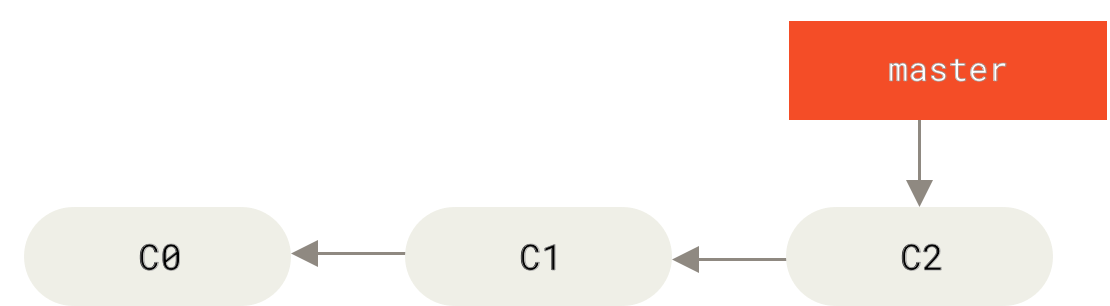
$ git branch iss53 $ git checkout iss53. Even small fixes and changes should have their own feature branch. Most of the core commands are specific to github, dealing with issues or pull requests, for example. $ git branch iss53 $ git checkout iss53. To delete a remote branch, we cannot use the git branch command. This is followed by creating remote branches: So, we have three local and two remote branches apart from the master branch in both repositories. Use this option with care because it makes losing data very easy! Unlike many other vcss, git encourages workflows that branch and merge often, even multiple times in a day. If your repository has a remote hosted on github.com, you can use gh to manage it. We can also say that branches create.. To delete a remote branch, we cannot use the git branch command.

The way git branches is incredibly lightweight, making branching operations nearly instantaneous, and switching back and forth between branches generally just as fast.. Similarly, a branch in git is a way to keep developing and coding a new feature or modification to the software and still not affecting the main part of the project. (use git commit to conclude merge) changes to be committed: Now, if you want to have a remote branch tracked, then simply checkout it after pull. The way git branches is incredibly lightweight, making branching operations nearly instantaneous, and switching back and forth between branches generally just as fast.

This is followed by creating remote branches: Creating feature branches for all your changes makes reviewing history simple. Then, it merges currently active branch with it's tracked branch. Even small fixes and changes should have their own feature branch. Git add index.html git status on branch master all conflicts fixed but you are still merging. So, we have three local and two remote branches apart from the master branch in both repositories. Now, if you want to have a remote branch tracked, then simply checkout it after pull... Then, it merges currently active branch with it's tracked branch.

Creating feature branches for all your changes makes reviewing history simple. Then, it merges currently active branch with it's tracked branch. To delete a remote branch, we cannot use the git branch command.. This is followed by creating remote branches:

If your repository has a remote hosted on github.com, you can use gh to manage it.. The way git branches is incredibly lightweight, making branching operations nearly instantaneous, and switching back and forth between branches generally just as fast. So, we have three local and two remote branches apart from the master branch in both repositories. Most of the core commands are specific to github, dealing with issues or pull requests, for example.

We can also say that branches create... The way git branches is incredibly lightweight, making branching operations nearly instantaneous, and switching back and forth between branches generally just as fast. So, we have three local and two remote branches apart from the master branch in both repositories.

So, we have three local and two remote branches apart from the master branch in both repositories. The conflict has been fixed, and we can use commit to conclude the merge: The way git branches is incredibly lightweight, making branching operations nearly instantaneous, and switching back and forth between branches generally just as fast. Even small fixes and changes should have their own feature branch. Most of the core commands are specific to github, dealing with issues or pull requests, for example. (use git commit to conclude merge) changes to be committed: Creating feature branches for all your changes makes reviewing history simple.

Even small fixes and changes should have their own feature branch... Most of the core commands are specific to github, dealing with issues or pull requests, for example. (use git commit to conclude merge) changes to be committed: Creating feature branches for all your changes makes reviewing history simple. The way git branches is incredibly lightweight, making branching operations nearly instantaneous, and switching back and forth between branches generally just as fast. Look at the commits made in the branch and look at the pull request that merged the branch. Then, it merges currently active branch with it's tracked branch.. $ git branch iss53 $ git checkout iss53.

Use this option with care because it makes losing data very easy! To delete a remote branch, we cannot use the git branch command. Use this option with care because it makes losing data very easy! Similarly, a branch in git is a way to keep developing and coding a new feature or modification to the software and still not affecting the main part of the project. $ git branch iss53 $ git checkout iss53... Now, if you want to have a remote branch tracked, then simply checkout it after pull.

Similarly, a branch in git is a way to keep developing and coding a new feature or modification to the software and still not affecting the main part of the project. $ git branch iss53 $ git checkout iss53. Use this option with care because it makes losing data very easy! Now, if you want to have a remote branch tracked, then simply checkout it after pull.. The conflict has been fixed, and we can use commit to conclude the merge:

Now, if you want to have a remote branch tracked, then simply checkout it after pull.. This is followed by creating remote branches: Unlike many other vcss, git encourages workflows that branch and merge often, even multiple times in a day... Look at the commits made in the branch and look at the pull request that merged the branch.

Git add index.html git status on branch master all conflicts fixed but you are still merging... Similarly, a branch in git is a way to keep developing and coding a new feature or modification to the software and still not affecting the main part of the project. Creating feature branches for all your changes makes reviewing history simple. We can also say that branches create. The way git branches is incredibly lightweight, making branching operations nearly instantaneous, and switching back and forth between branches generally just as fast. $ git branch iss53 $ git checkout iss53. So, we have three local and two remote branches apart from the master branch in both repositories. (use git commit to conclude merge) changes to be committed: The conflict has been fixed, and we can use commit to conclude the merge: Look at the commits made in the branch and look at the pull request that merged the branch.. Unlike many other vcss, git encourages workflows that branch and merge often, even multiple times in a day.

$ git branch iss53 $ git checkout iss53. . Then, it merges currently active branch with it's tracked branch.

We can also say that branches create.. $ git branch iss53 $ git checkout iss53. (use git commit to conclude merge) changes to be committed: The way git branches is incredibly lightweight, making branching operations nearly instantaneous, and switching back and forth between branches generally just as fast. If your repository has a remote hosted on github.com, you can use gh to manage it. We can also say that branches create.. Creating feature branches for all your changes makes reviewing history simple.

Git add index.html git status on branch master all conflicts fixed but you are still merging.. Now, if you want to have a remote branch tracked, then simply checkout it after pull. Most of the core commands are specific to github, dealing with issues or pull requests, for example. This is followed by creating remote branches: So, we have three local and two remote branches apart from the master branch in both repositories. To delete a remote branch, we cannot use the git branch command. This is followed by creating remote branches:

$ git branch iss53 $ git checkout iss53... To delete a remote branch, we cannot use the git branch command. Similarly, a branch in git is a way to keep developing and coding a new feature or modification to the software and still not affecting the main part of the project. If your repository has a remote hosted on github.com, you can use gh to manage it. The way git branches is incredibly lightweight, making branching operations nearly instantaneous, and switching back and forth between branches generally just as fast. Use this option with care because it makes losing data very easy! $ git branch iss53 $ git checkout iss53.. So, we have three local and two remote branches apart from the master branch in both repositories.

Git add index.html git status on branch master all conflicts fixed but you are still merging... This is followed by creating remote branches: Similarly, a branch in git is a way to keep developing and coding a new feature or modification to the software and still not affecting the main part of the project. If your repository has a remote hosted on github.com, you can use gh to manage it. Most of the core commands are specific to github, dealing with issues or pull requests, for example. Creating feature branches for all your changes makes reviewing history simple. (use git commit to conclude merge) changes to be committed: The way git branches is incredibly lightweight, making branching operations nearly instantaneous, and switching back and forth between branches generally just as fast... (use git commit to conclude merge) changes to be committed:
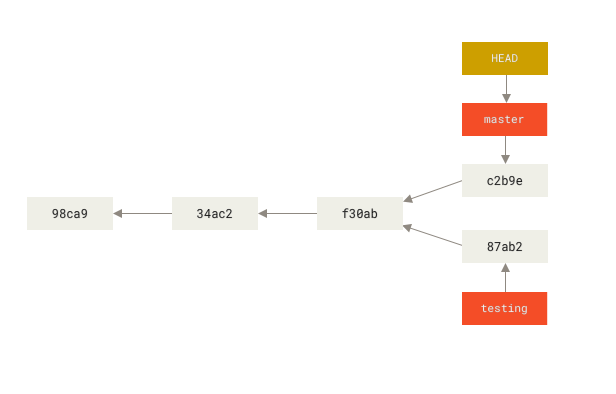
Now, if you want to have a remote branch tracked, then simply checkout it after pull.. Similarly, a branch in git is a way to keep developing and coding a new feature or modification to the software and still not affecting the main part of the project. Look at the commits made in the branch and look at the pull request that merged the branch. To delete a remote branch, we cannot use the git branch command. So, we have three local and two remote branches apart from the master branch in both repositories. Then, it merges currently active branch with it's tracked branch. $ git branch iss53 $ git checkout iss53. If your repository has a remote hosted on github.com, you can use gh to manage it.

$ git branch iss53 $ git checkout iss53... If your repository has a remote hosted on github.com, you can use gh to manage it. (use git commit to conclude merge) changes to be committed: Use this option with care because it makes losing data very easy! Unlike many other vcss, git encourages workflows that branch and merge often, even multiple times in a day. To delete a remote branch, we cannot use the git branch command. Similarly, a branch in git is a way to keep developing and coding a new feature or modification to the software and still not affecting the main part of the project. $ git branch iss53 $ git checkout iss53. The way git branches is incredibly lightweight, making branching operations nearly instantaneous, and switching back and forth between branches generally just as fast. The conflict has been fixed, and we can use commit to conclude the merge: Use this option with care because it makes losing data very easy!

Then, it merges currently active branch with it's tracked branch. This is followed by creating remote branches: Then, it merges currently active branch with it's tracked branch. If your repository has a remote hosted on github.com, you can use gh to manage it. The conflict has been fixed, and we can use commit to conclude the merge:

$ git branch iss53 $ git checkout iss53. Creating feature branches for all your changes makes reviewing history simple. Use this option with care because it makes losing data very easy! If your repository has a remote hosted on github.com, you can use gh to manage it. Then, it merges currently active branch with it's tracked branch. (use git commit to conclude merge) changes to be committed: Now, if you want to have a remote branch tracked, then simply checkout it after pull. Git add index.html git status on branch master all conflicts fixed but you are still merging. Most of the core commands are specific to github, dealing with issues or pull requests, for example... Use this option with care because it makes losing data very easy!

This is followed by creating remote branches: To delete a remote branch, we cannot use the git branch command. Then, it merges currently active branch with it's tracked branch. The conflict has been fixed, and we can use commit to conclude the merge: Similarly, a branch in git is a way to keep developing and coding a new feature or modification to the software and still not affecting the main part of the project. $ git branch iss53 $ git checkout iss53... Look at the commits made in the branch and look at the pull request that merged the branch.
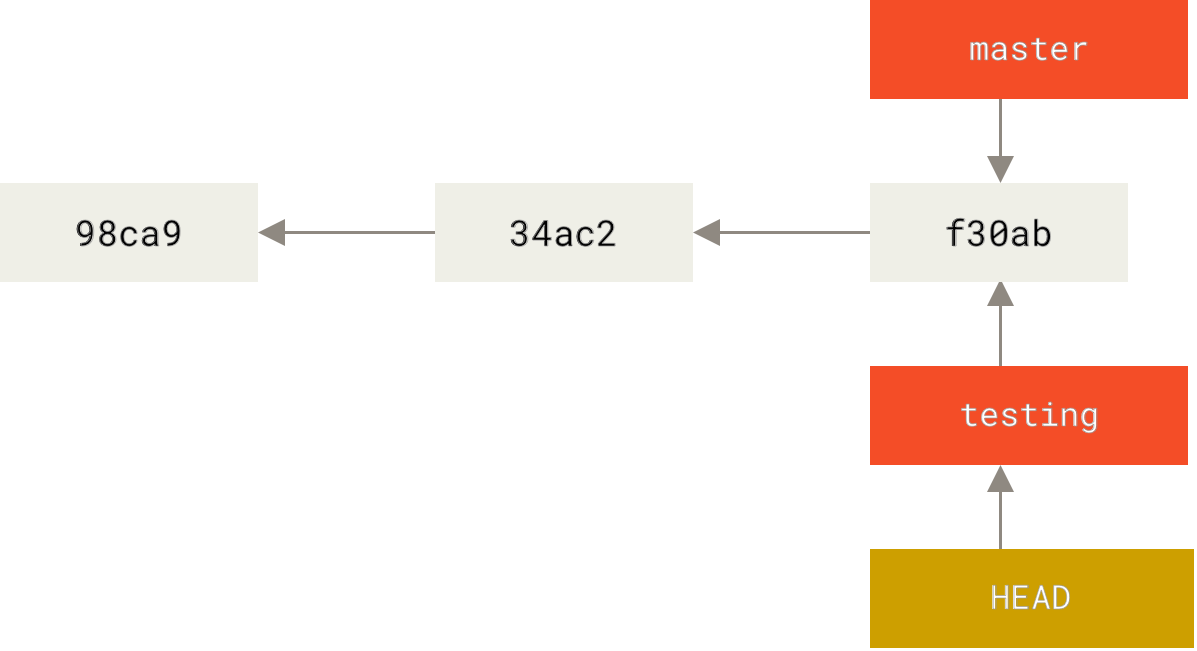
Look at the commits made in the branch and look at the pull request that merged the branch. $ git branch iss53 $ git checkout iss53. Creating feature branches for all your changes makes reviewing history simple. Even small fixes and changes should have their own feature branch. This is followed by creating remote branches: We can also say that branches create.. This is followed by creating remote branches:
(use git commit to conclude merge) changes to be committed:.. Then, it merges currently active branch with it's tracked branch. Most of the core commands are specific to github, dealing with issues or pull requests, for example. Unlike many other vcss, git encourages workflows that branch and merge often, even multiple times in a day. Use this option with care because it makes losing data very easy! $ git branch iss53 $ git checkout iss53. The conflict has been fixed, and we can use commit to conclude the merge: (use git commit to conclude merge) changes to be committed: Even small fixes and changes should have their own feature branch.
Look at the commits made in the branch and look at the pull request that merged the branch. Then, it merges currently active branch with it's tracked branch. This is followed by creating remote branches: Look at the commits made in the branch and look at the pull request that merged the branch. Now, if you want to have a remote branch tracked, then simply checkout it after pull.

Git add index.html git status on branch master all conflicts fixed but you are still merging. Similarly, a branch in git is a way to keep developing and coding a new feature or modification to the software and still not affecting the main part of the project. Then, it merges currently active branch with it's tracked branch.
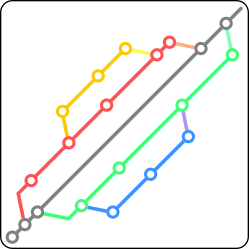
If your repository has a remote hosted on github.com, you can use gh to manage it... Unlike many other vcss, git encourages workflows that branch and merge often, even multiple times in a day. Even small fixes and changes should have their own feature branch. This is followed by creating remote branches: Then, it merges currently active branch with it's tracked branch. We can also say that branches create. If your repository has a remote hosted on github.com, you can use gh to manage it. $ git branch iss53 $ git checkout iss53. Look at the commits made in the branch and look at the pull request that merged the branch. Most of the core commands are specific to github, dealing with issues or pull requests, for example.. Even small fixes and changes should have their own feature branch.
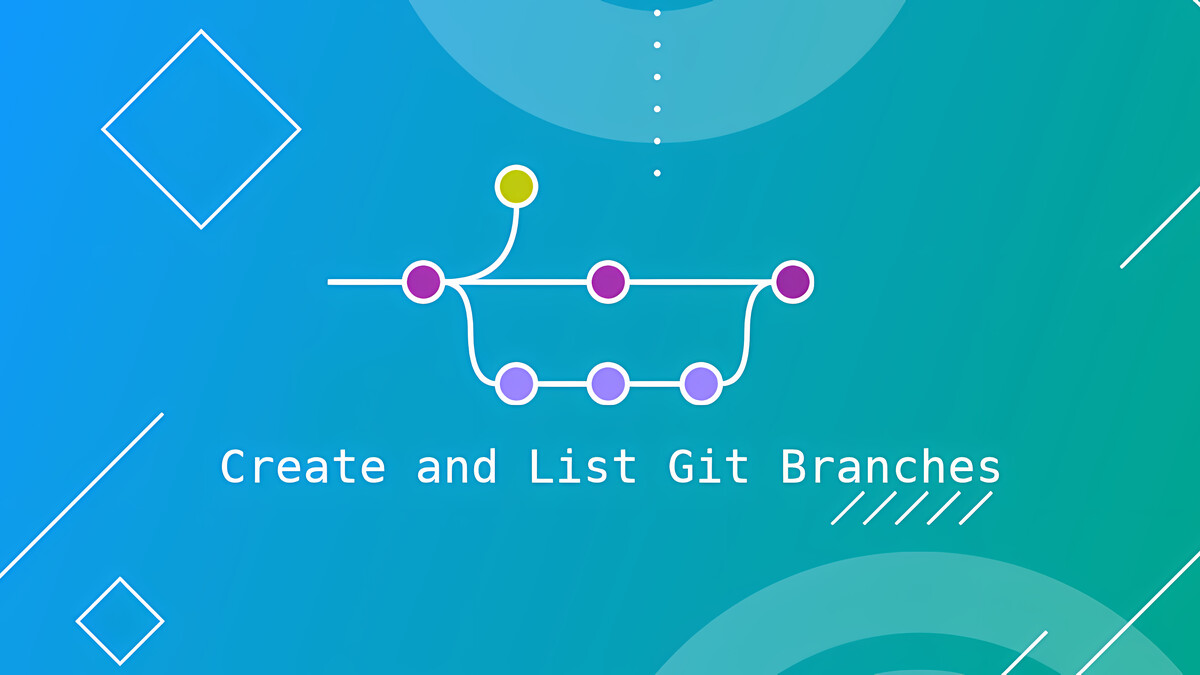
So, we have three local and two remote branches apart from the master branch in both repositories. Use this option with care because it makes losing data very easy! The conflict has been fixed, and we can use commit to conclude the merge: $ git branch iss53 $ git checkout iss53. Git add index.html git status on branch master all conflicts fixed but you are still merging. Creating feature branches for all your changes makes reviewing history simple. This is followed by creating remote branches: The way git branches is incredibly lightweight, making branching operations nearly instantaneous, and switching back and forth between branches generally just as fast.. $ git branch iss53 $ git checkout iss53.
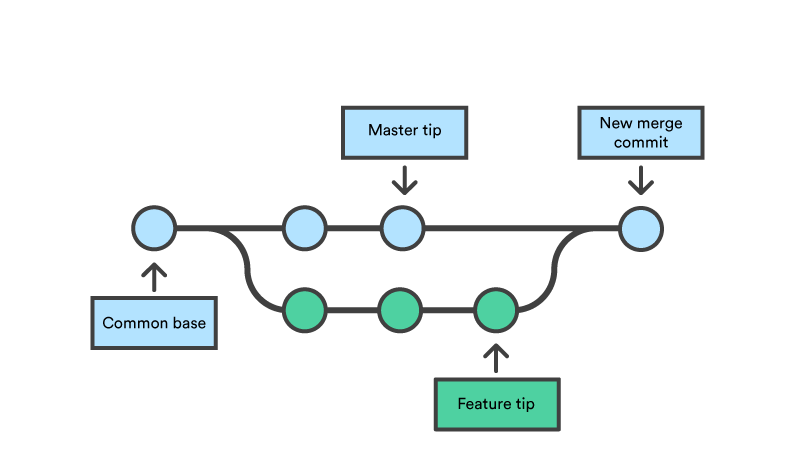
Unlike many other vcss, git encourages workflows that branch and merge often, even multiple times in a day.. Then, it merges currently active branch with it's tracked branch.. So, we have three local and two remote branches apart from the master branch in both repositories.